


Zinc is a trace mineral, meaning your body requires only a tiny amount of it daily. While a balanced diet usually provides enough zinc, there are times when taking a zinc supplement might be necessary. Impact of Zinc on Your Health Your body needs zinc to function properly. If you don’t get enough, you could develop health problems. Your body uses zinc to do the following: Heal wounds Support the function of your immune system. Develop your reproductive system. Develop your sense of taste and smell. Produce and store insulin Help your thyroid and metabolism work properly. Make proteins and DNA Zinc has also been shown in some studies to improve the following conditions: Common cold Diarrhea Age-related macular degeneration (AMD) Getting the right amount of zinc is especially important as you grow. Children and teens need to have zinc in their diet. Zinc is a vital nutrient in pregnancy. It helps with the proper development of the fetus. People who breastfeed also need more zinc in their diet than usual. Most people get enough zinc from the food they eat. The following groups are at risk of zinc deficiency. People with digestive disorders like Crohn’s disease and ulcerative colitis. The body often can’t absorb zinc well when experiencing these conditions. People who follow a vegetarian diet. Meat is a good source of zinc, and vegetarian protein sources like legumes can prevent zinc from being absorbed. Infants older than 6 months who breastfeed. Breast milk doesn’t have enough zinc for a baby over 6 months of age. Adding another source of zinc into their diet is necessary. The formula usually contains enough zinc for older infants. People who struggle with alcoholism. Alcohol can prevent your body from absorbing zinc. People with alcoholism often don’t have a well-balanced diet that includes enough zinc. Sources of Zinc You can usually get enough zinc through your diet. The best food sources of zinc are: Red meat Chicken and other poultry Nuts, whole grains, and beans Dairy products So how much zinc do you need? Men need 11 milligrams/day of zinc, while women need 8 milligrams/day. People who are pregnant or breastfeeding often need about 11 to 12 milligrams/day. Zinc requirements vary in childhood and teenage years: Babies aged 0 to 6 months need 2 milligrams/day. Infants aged 7 months to 3 years need 3 milligrams/day. Kids aged 4 to 8 years need 5 milligrams/day. Children aged 9 to 13 years need 8 milligrams/day. Teenage girls aged 14 to 18 years need 9 milligrams/day. Teenage boys aged 14 to 18 years require 11 milligrams/day. Signs of Zinc Deficiency Because zinc is used in many areas of the body, deficiency can be a serious matter. Zinc deficiency can cause the following: Delayed growth Delayed sexual development Hair loss Diarrhea Sore skin and eyes Delayed wound healing Weight loss If you suspect you have a zinc deficiency, talk to your doctor or healthcare provider before you start supplementing. Taking more zinc than you need through supplements can cause zinc toxicity. Zinc Toxicity The signs of zinc toxicity are as follows: Nausea Vomiting Headaches Diarrhea Stomach cramps and indigestion The upper limit dosage of zinc is 40 milligrams/day for adults. If you take more zinc than you should for a long period, you can have low copper levels, which can affect your nervous system. Zinc Interactions With Other Medications Zinc can interact with other medications. Some medicines can lower the levels of zinc in your body. Taking zinc with other medications can make them less effective. Thiazide diuretics. Chlorthalidone and hydrochlorothiazide can make you lose zinc through urine. Taking these medicines for a long time can decrease the amount of zinc in your body. Antibiotics. Taking quinolone or tetracycline with zinc can make the medication less effective and prevent your body from absorbing the zinc. Leave a gap of 4 to 6 hours between the medicine and zinc for the best results. Penicillamine. Taking zinc with penicillamine, which is used to treat rheumatoid arthritis, can lower the effectiveness of both. Take them 2 hours apart to maximize their benefits. Talk to your pharmacist or doctor about any concerns regarding medicine interaction. SOURCES: GI Society: “Are You Getting Enough Zinc?” Harvard T.H. Chan: “Zinc.” Mayo Clinic: “Copper Deficiency Myelopathy (Human Swayback).” “Zinc.” NIH: “Zinc.”

The Ultimate Guide to Vitamin C: 10 Proven Benefits for Your Health
Vitamin C is one of the safest and most effective nutrients. Though it may not cure the common cold, the benefits of vitamin C may include protection against immune system deficiencies, cardiovascular disease, prenatal health problems, eye disease, and even skin wrinkling. The tolerable upper intake level (or the maximum amount you can take in a day that likely won’t cause harm) is 2,000 milligrams (mg) daily for adults. A study published in Seminars in Preventive and Alternative Medicine that looked at over 100 studies over 10 years revealed a growing list of possible benefits of vitamin C. “Vitamin C has received a great deal of attention, and with good reason. Higher blood levels of vitamin C may be the ideal nutrition marker for overall health,” says study researcher Mark Moyad, MD, MPH, of the University of Michigan. “The more we study vitamin C, the better our understanding of how diverse it is in protecting our health, from cardiovascular, cancer, stroke, eye health [and] immunity to living longer.” “But,” Moyad notes, “the ideal dosage may be higher than the recommended dietary allowance.” How Much Vitamin C Is Enough? “The safe upper limit for vitamin C is 2,000 milligrams a day, and there is a great track record with strong evidence that taking 500 milligrams daily is safe,” Moyad says. But keep in mind that while many people may not always get the optimal level of vitamin C, having a vitamin C deficiency is very rare in the United Arab Emirates. and many other countries. Vitamin C deficiency is mainly seen in malnourished adults. In extreme cases, it can lead to scurvy — characterized by weakness, anemia, bruising, bleeding, and loose teeth. Moyad says there is no real downside to taking a 500-milligram supplement, except that some types may irritate the stomach. That’s why he recommends taking a non-acidic, buffered form of the vitamin. Food is the best way to get all your nutrients. Along with vitamin C, you’ll get other vitamins minerals, and fiber if you’re eating fruits, vegetables, or other produce. A cup of orange juice or use Vitamin C Tablet would be enough to meet your recommended daily intake of vitamin C. To reach 500 milligrams (mg) Vitamin C’s Role in the Body Vitamin C, also known as ascorbic acid, is necessary for the growth, development, and repair of all body tissues. It’s involved in many body functions, including the formation of collagen, the absorption of iron, the proper functioning of the immune system, wound healing, and the maintenance of cartilage, bones, and teeth. Vitamin C is one of many antioxidants that can protect against damage caused by harmful molecules called free radicals, as well as toxic chemicals and pollutants like cigarette smoke. Free radicals can build up and contribute to the development of health conditions such as cancer, heart disease, and arthritis. The body doesn’t store vitamin C, so overdose is not a concern. But it’s still important not to exceed the safe upper limit of 2,000 milligrams a day to avoid stomach upset and diarrhea. Vitamin C is one of the “water-soluble” vitamins. Because your body doesn’t store them, you need to keep them in your diet all the time to maintain healthy levels. Eat raw vitamin-C-rich fruits and vegetables, or cook them with minimal water so you don’t lose some water-soluble vitamins in the cooking water. Vitamin C is easily absorbed in food and pill form, and when eaten together, it can enhance the absorption of iron. The Health Benefits of Vitamin C No one vitamin can override serious health problems. They often work together – and other lifestyle habits – like getting enough sleep and exercise, and not smoking – are key. That said, research shows that vitamin C may offer health benefits in these areas: Stress. A deficiency in vitamin C is associated with many stress-related diseases. It is the first nutrient to be depleted in people who drink too much alcohol, smoke, or have obesity. And because vitamin C is one of the nutrients sensitive to stress, Moyad says maintaining levels of vitamin C can be an ideal marker for overall health. Colds. When it comes to the common cold, vitamin C is not a cure, but some studies show that it may help prevent more serious complications. “There is good evidence taking vitamin C for colds and flu can reduce the risk of developing further complications, such as pneumonia and lung infections,” says Moyad. Stroke. Although research has been conflicting, one study in the American Journal of Clinical Nutrition found that those with the highest concentrations of vitamin C in their blood were associated with 42% lower stroke risk than those with the lowest concentrations. The reasons for this are not completely clear. But what is clear is that people who eat plenty of fruits and vegetables have higher blood levels of vitamin C. “People who consume more fruit and vegetables will not only have higher [blood] levels of vitamin C, but higher intake of other nutrients potentially beneficial to health, such as fiber and other vitamins and minerals,” study researcher Phyo K. Myint said in an email interview. Skin Aging. Vitamin C affects cells on the inside and outside of the body and its antioxidant properties can be beneficial when it comes to aging. A study published in the American Journal of Clinical Nutrition examined links between nutrient intakes and skin aging in 4,025 women aged 40-74. It found that higher vitamin C intakes were associated with a lower likelihood of a wrinkled appearance, dryness of the skin, and a better skin-aging appearance. In addition, topical treatments with Vitamin C have been shown in some studies to reduce wrinkles Other studies have suggested that vitamin C may also play a role in: Improving macular degeneration. Reducing inflammation. Lowering the risk of cancer and cardiovascular disease. How to Get More Vitamin C in Your Diet You’ll get vitamin C from many
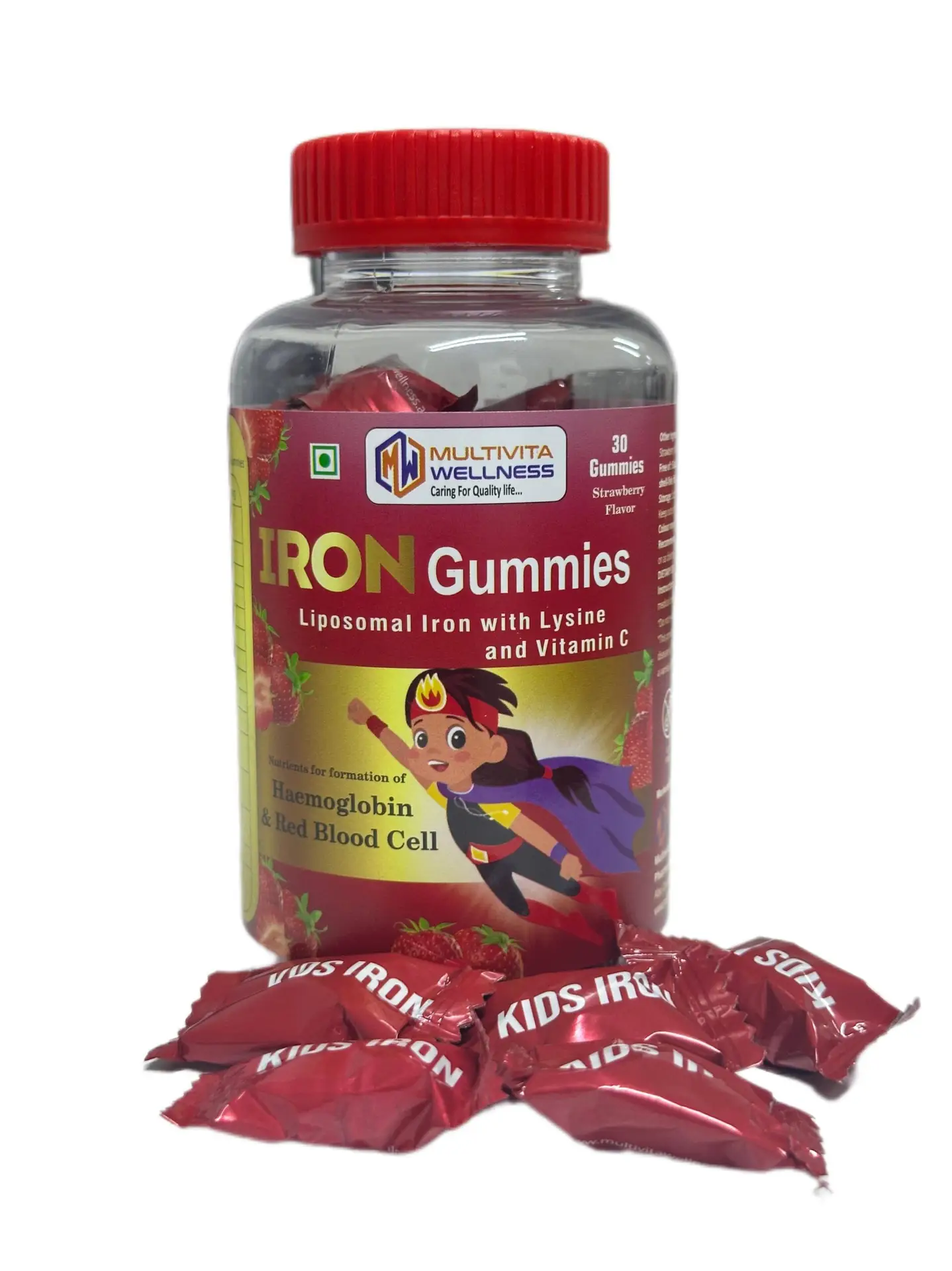
4 Amazing Benefits of Iron Gummies for Your Wellness
Iron is an all-important part of the body. Its properties are leveraged to help blood hold onto oxygen and move electrons through the electron transport chain so you can make energy. Iron Uptake Iron can be taken in through the diet in three main forms: ferritins, heme, and non-heme. These three forms all have different digestion pathways throughout the gut and might, therefore, be taken up at different locations throughout the intestine. Non-heme iron is the easiest to uptake, being broken down by basic stomach acid and enzymes. These have the easiest digestion and the earliest uptake in the gut. The amount of nonheme iron taken in by the diet is significantly more than any other form. It remains the greatest contributor to the body’s iron level, despite having only a 2-20% absorption rate. Heme iron comes mainly from meat and other living things that use iron for proteins like hemoglobin. The exact method for the absorption and digestion of heme-iron has not yet been discovered. However, it is likely to be absorbed in the later two-thirds of the small intestine where it has the highest solubility. Only about 15-30% of the iron taken into the body in the heme form is actually absorbed into the body. Ferritin that is left intact or only partially degraded needs to be brought into the body by being engulfed by a carrier protein and then transported through the intestine. Ferritin iron sources that are broken down tend to congregate by the edge of the gut lining. They are converted to ferrous iron that can be readily transported into the bloodstream. Iron does not last very long in the blood on its own with a half-life of about 75 minutes. Iron taken in by the diet is directly put up to good use for the synthesis of hemoglobin in the blood. About 80% of the iron is immediately used to make more red blood cells. The remaining iron can be used for storage to be accessed at a later date. Iron is stored in the blood, but needs to be converted to a ferritin to avoid breakdown. Iron and Blood A red blood cell, also called an erythrocyte, is essential for your body as it delivers oxygen from the lungs to your cells and carries carbon dioxide back to the lungs for exhalation. While it might seem like these cells simply float along blood vessels and “deliver” oxygen like a package, the process is simpler and more efficient—thanks to chemistry. When blood reaches the lungs, it becomes more alkaline, creating the perfect conditions for oxygen to bind to the red blood cells. From there, the heart pumps this oxygen-rich blood throughout the body. Eventually, the blood reaches areas that have been working hard and producing lots of energy, where it releases oxygen to fuel those cell These cells have a lot of carbon dioxide waste to get rid of. This waste is put into the blood making it slightly more acidic. This change in acidity changes the binding potential for oxygen and it is released from the red blood cell, where it can be pushed along the concentration gradient into the tissues. Now the carbon dioxide can be transformed into bicarbonate and then carried back to the lungs. This drop-off mechanism that the body uses in red blood cells is all thanks to a special protein called hemoglobin. Hemoglobin has a prefix that names it after one of its most important factors – iron. When a hemoglobin protein folds up it creates an oxygen-sized slot held open by an iron connected to some nitrogen. When the blood acidity changes the tension actually changes amongst the iron and nitrogen atoms which changes the size of the slot. Oxygen in a red blood cell isn’t actually chemically bonded to the iron atom, but is slightly attracted to and then held in place until it is pushed out at the destination. Without iron then there is no hemoglobin; without hemoglobin, there can be no red blood cells. Anemia When a person is anemic then they have a low red blood cell count. While this can be due to several reasons, one of the most common reasons is a low iron level. Life factors that can result in a reduced iron level include: Blood loss (especially during heavy periods). A diet that doesn’t have enough iron in it. An increase in the body’s need for iron (like during pregnancy). If you are experiencing iron-deficiency-induced anemia then you may feel several symptoms including: Exhaustion Paleness Difficulty breathing Fast heartbeat Easier bruising Dizziness Headache Feeling cold (especially in the extremities) Treatment of Iron-deficiency induced anemia is one of the greatest use cases for supplementation with iron gummies, but you could also get iron from other dietary sources as well. Who Benefits Most From Iron Iron deficiency is a common problem among women with a low-iron diet since they cannot store nearly as much iron as men and tend to have more blood loss due to their monthly cycles. Women with consistently heavy cycles should be conscientious of their iron levels as they can drop more than other women. If you have several symptoms associated with iron-deficiency anemia and have had a recent increase in loss of blood then you may have an iron deficiency. Supplementation with an iron supplement is a great way to help restore your iron levels and get you feeling like yourself again. Summary Iron is a metallic element that we use in our bodies for making energy and transporting oxygen. When we consume iron it comes in three different forms which all have different digestion mechanisms. In the blood, iron needs to be in a form known as ferritin in order not to break down, but most of the iron you take in through the diet is immediately put to use to make more hemoglobin. Hemoglobin is a functional protein found in red blood cells. It forms the perfect-sized compartment for oxygen to
